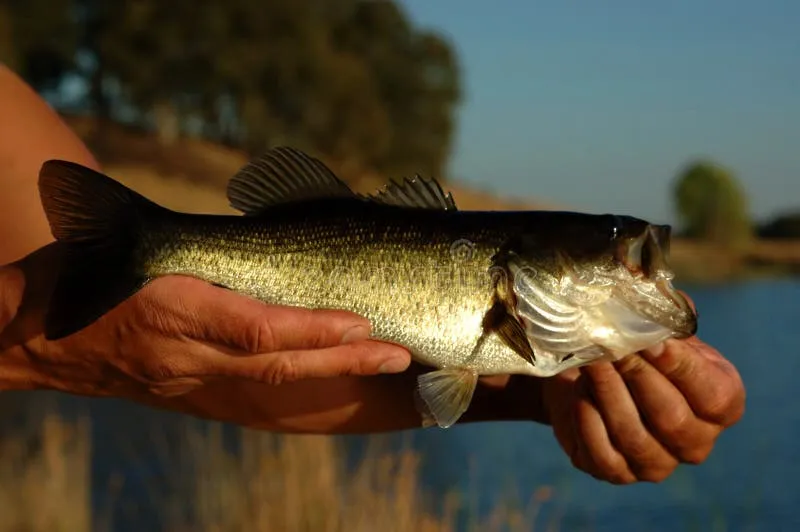
Field feature
The Truth About Fluorocarbon: Why Your Line is Breaking on the Hookset
Fluorocarbon line is virtually invisible and highly sensitive, but it requires completely different handling than monofilament or braid. If you are breaking off on the hookset, you are making one of these three mistakes.
Fluorocarbon line revolutionized bass fishing. It sinks, it is highly abrasion-resistant, and its refractive index is so close to water that it becomes virtually invisible beneath the surface. For clear water finesse fishing or deep cranking, it is the undisputed king.
But for all its benefits, fluorocarbon is notoriously finicky. Every weekend, anglers lose the fish of a lifetime because their fluorocarbon snaps violently right on the hookset.
They usually blame the brand of the line. The truth? It is almost always user error. Here is why your fluoro is breaking.
1. Friction: The Ultimate Enemy
Fluorocarbon is highly resistant to being scraped against rocks, but it is incredibly vulnerable to burning against itself.
When you tie a knot in fluorocarbon, the line wraps and tightens against itself. If you pull that knot tight while the line is dry, the intense friction generates heat. That microscopic heat instantly melts and weakens the fluorocarbon structure right at the knot.
You won’t notice it until you set the hook on a 5-pounder, and the line pops like a dry twig under minimal pressure.
The Fix: You absolutely must wet your knot (with saliva or water) liberally before you cinch it down. Furthermore, cinch it down slowly. Do not yank it tight. Smooth, lubricated, and steady pressure is the only way to lock a fluorocarbon knot without burning it.
2. You Are Using the Wrong Knot
The old, reliable Clinch Knot or Improved Clinch Knot that your grandfather taught you to use with monofilament is terrible for fluorocarbon.
Because fluorocarbon is stiffer than mono, a traditional clinch knot will often “slip” under explosive pressure, cutting into itself before it completely fails.
The Fix: Switch to the Palomar Knot or the San Diego Jam Knot. These knots distribute the pressure more evenly across the line and prevent the fluorocarbon from slicing through itself during a violent hookset.
3. UV Damage and “Memory”
Unlike braid, which can last on a reel for years, fluorocarbon degrades. While it is somewhat UV resistant, leaving your rods sitting on the deck of your boat in the blistering sun day after day will eventually make the line brittle.
Additionally, fluorocarbon has high “memory.” If left tightly coiled on a spinning reel for months, it will fly off the spool in loose, uncontrollable spirals, causing massive wind knots and weak points.
The Fix: Store your rods out of direct sunlight when not in use. If you are fishing a spinning reel, use a braided mainline and tie a 10-foot fluorocarbon leader using an FG or Alberto knot. This eliminates the memory issues on the spool while still giving you the invisible presentation at the bait.
Bottom Line: Fluorocarbon is a precision tool, not a tow rope. Wet your knots, use the right connection, and change it out when it gets stiff. Respect the material, and it will put more fish in your boat.
Related reading
Gear
Best Spinning Reel for Bass Fishing Beginners: The Unfiltered Truth
Forget the marketing hype and spec sheets. Here is exactly what matters when choosing a spinning reel for bass fishing, from a veteran bank angler’s perspective.
Gear
Buzzbait Modifications: Stop Fishing It Straight Out of the Box
A stock buzzbait catches fish, but a modified buzzbait catches monsters. Learn how to tune your topwater prop bait to produce the loudest, most obnoxious squeak possible.
Tactics
Deep Cranking: If You're Not Deflecting Off Cover, You're Not Fishing
Throwing a deep diving crankbait into open water and just reeling it back is taking your lure for a walk. The real violence happens the split second your crankbait smashes into a rock or stump.
评论系统预留位
这里已经为 Giscus 留好位置。等你创建 GitHub Discussions 后,把本组件中的仓库参数改掉,并把 enabled 改成 true 即可启用。