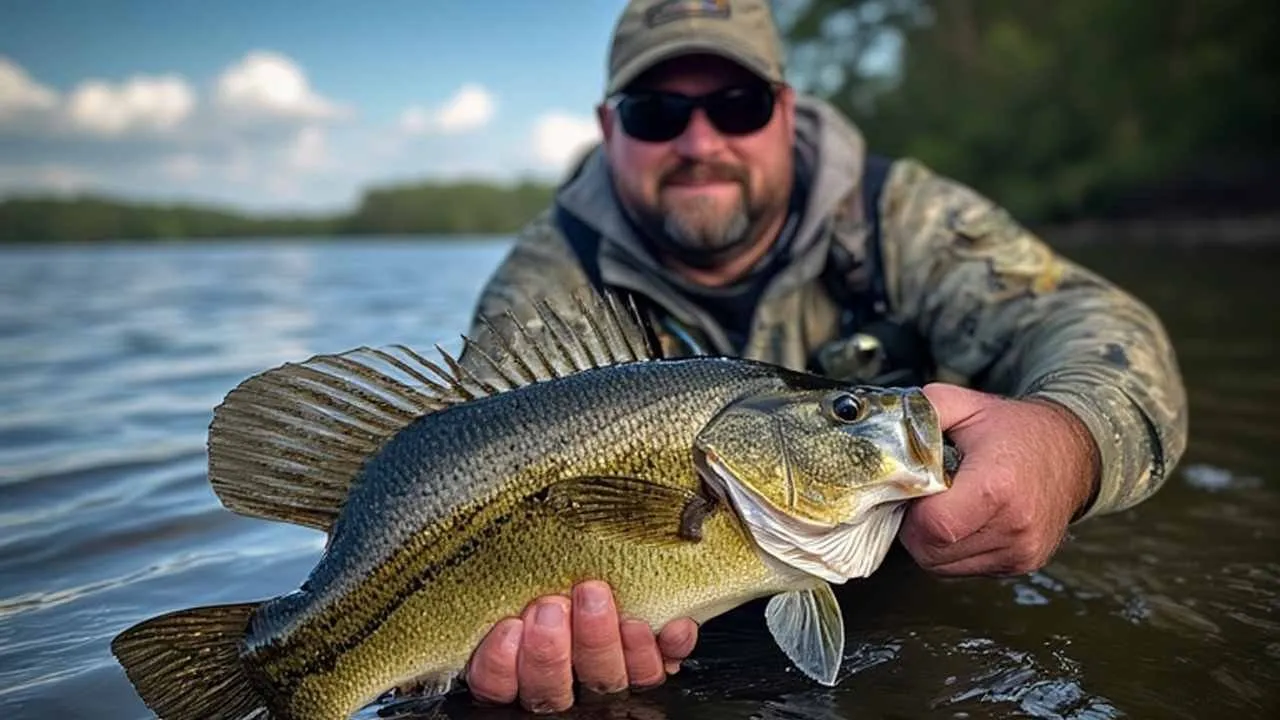
Field feature
Buzzbait Modifications: Stop Fishing It Straight Out of the Box
A stock buzzbait catches fish, but a modified buzzbait catches monsters. Learn how to tune your topwater prop bait to produce the loudest, most obnoxious squeak possible.
There are few strikes more aggressive than a bass destroying a buzzbait churning across the surface. It is the ultimate shallow-water power fishing tool for early mornings and late evenings.
But if you are just pulling a buzzbait out of the package, tying it on, and casting it, you are fishing at a severe disadvantage. The tournament pros know that a buzzbait needs to be “tuned” before it ever hits the water. Here is how to turn a good buzzbait into a great one.
1. We Want the Squeak
The effectiveness of a buzzbait relies on two things: the churning water disruption and the metallic squeak. That squeak mimics the distress calls of fleeing prey (like frogs or baitfish) and triggers an instinctual predatory response.
Out of the box, most buzzbaits are too quiet because the rivet and the blade are separated by smooth, factory-painted wire.
The Fix: Take a pair of pliers and physically crimp the rivet so it can no longer spin freely on the wire. You want it locked securely in place. Now, the aluminum blade will constantly scrape against the stationary aluminum rivet as it spins. To speed up the break-in process, tie the buzzbait to the antenna of your truck (or hang it out the window) while driving down the highway. Thirty minutes of 60 mph wind will grind that rivet and blade together, creating a perfectly pitched, agonizingly loud squeak that bass cannot ignore.
2. Remove the Skirt (Yes, Really)
This sounds crazy, but the silicone skirt on your buzzbait is often killing your hookup ratio. The skirt flares out, creating a bulky profile, which causes bass to short-strike or “slap” at the bait rather than engulfing the hook.
The Fix: Strip the skirt off entirely. Replace it with a soft plastic toad (like a Zoom Horny Toad) or a paddle-tail swimbait.
The plastic toad adds significant weight to the lure, allowing you to cast it a mile even in the wind. More importantly, it creates a streamlined, solid target. When a bass strikes a solid plastic trailer, they get a mouthful of meat and the hook, rather than a mouthful of wispy silicone.
3. Drop the Wire
Most buzzbaits are built with the hook sitting far below the blade. This looks nice, but it forces you to reel faster to keep the bait on the surface.
Take your thumb and firmly bend the wire so the hook sits closer to the blade. This allows the bait to “plane” out easier. You can now reel the buzzbait much slower while still keeping it gurgling on the surface. The slower you can fish a buzzbait while keeping it afloat, the more blowups you will get.
Bottom Line: A factory buzzbait is just a starting point. Crimp the rivet, ditch the skirt for a toad, and bend the wire. Put the work in before you hit the water, and the bass will reward you.
Related reading
Gear
Best Spinning Reel for Bass Fishing Beginners: The Unfiltered Truth
Forget the marketing hype and spec sheets. Here is exactly what matters when choosing a spinning reel for bass fishing, from a veteran bank angler’s perspective.
Tactics
Chatterbait Mastery: Stop Reeling So Fast and Start Ripping Grass
A vibrating jig is arguably the most powerful search bait ever invented, but most anglers just cast and reel. Here's how to turn a Chatterbait into a giant-bass magnet.
Tactics
Deep Cranking: If You're Not Deflecting Off Cover, You're Not Fishing
Throwing a deep diving crankbait into open water and just reeling it back is taking your lure for a walk. The real violence happens the split second your crankbait smashes into a rock or stump.
评论系统预留位
这里已经为 Giscus 留好位置。等你创建 GitHub Discussions 后,把本组件中的仓库参数改掉,并把 enabled 改成 true 即可启用。