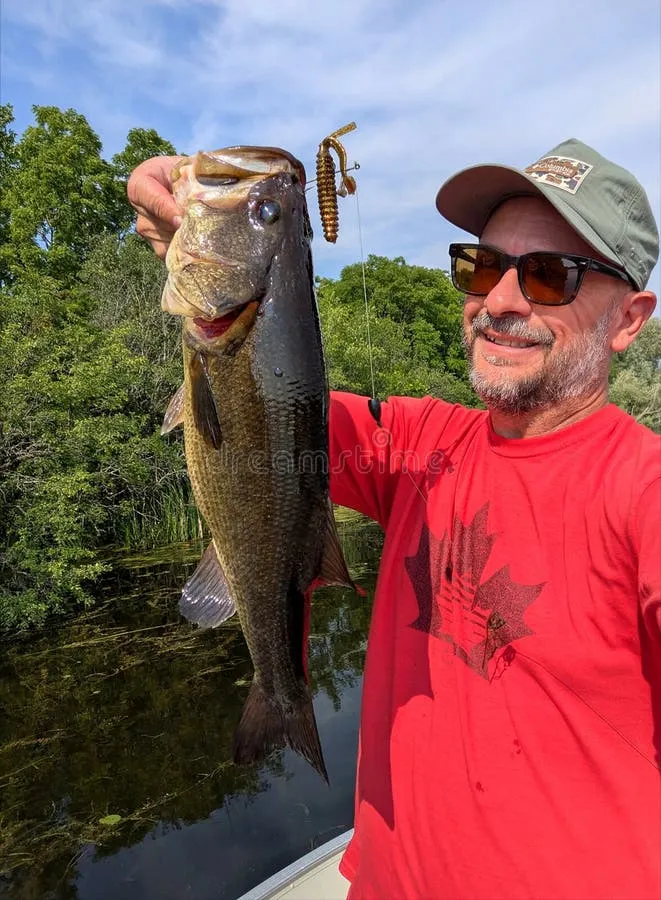
Field feature
The Texas Rig Pegging Debate: When to Lock It Down and When to Let It Slide
To peg or not to peg? That is the eternal question of the Texas rig. If you choose wrong, you will either hang up constantly or miss fish on the hookset.
The Texas rig is the foundational setup of bass fishing. You slide a bullet weight onto your line, tie on an offset hook, and skin-pose a soft plastic worm or creature bait to make it weedless.
But before you tie that knot, you face a critical decision: Do you put a rubber bobber stop above the weight to “peg” it tightly to the hook, or do you leave the weight unpegged so it can slide freely up the line?
Many anglers pick one method and do it 100% of the time. That is a massive mistake. Whether you peg or slide should be dictated entirely by the cover you are fishing and the behavior of the bass.
1. When You MUST Peg the Weight
If you are pitching or flipping into thick, vertical cover, pegging the weight is absolutely non-negotiable.
The Scenarios:
- Punching through thick matted vegetation (hydrilla, hyacinth).
- Flipping into the heart of a submerged laydown (a fallen tree with many branches).
- Dropping the bait into dense, standing reeds or bullrush.
Why: Imagine pitching an unpegged Texas rig into a thick bush. The heavy sinker falls through the branches quickly, but the weightless soft plastic trailing behind it gets draped over a limb. Your weight is on the bottom, your bait is hanging in the branches two feet above it, and you are effectively not fishing. By pegging the weight tight against the nose of the bait, the entire rig becomes one compact, bullet-like unit that plows through the nastiest cover and reaches the bottom intact.
2. When You Should Let It Slide (Unpegged)
If you are casting the rig and dragging it horizontally across the bottom, you should remove the bobber stop entirely.
The Scenarios:
- Dragging a worm over a clean, hard-bottom point or a gravel flat.
- Fishing around sparse, isolated rocks.
- Fishing deep water ledges.
Why: Leaving the weight unpegged does two magical things. First, it creates a deadly, natural presentation. When you lift your rod tip to hop the bait, the weight and the bait jump together. But when you drop your rod tip, the heavy bullet sinker plummets to the bottom, while the unweighted soft plastic slowly, tantalizingly glides and flutters down behind it. That separation is when most bites occur. Second, it increases your landing percentage. When a bass jumps and violently shakes its head, a heavy pegged weight acts as a pendulum, creating leverage that can rip the hook out of the fish’s mouth. An unpegged weight slides safely up the line during the fight, completely neutralizing that leverage.
Bottom Line: Look at the water in front of you. If you are fishing vertically in a jungle, lock it down. If you are fishing horizontally on the open bottom, let it slide. Adjust your terminal tackle to the battlefield.
Related reading
Gear
Best Spinning Reel for Bass Fishing Beginners: The Unfiltered Truth
Forget the marketing hype and spec sheets. Here is exactly what matters when choosing a spinning reel for bass fishing, from a veteran bank angler’s perspective.
Gear
Buzzbait Modifications: Stop Fishing It Straight Out of the Box
A stock buzzbait catches fish, but a modified buzzbait catches monsters. Learn how to tune your topwater prop bait to produce the loudest, most obnoxious squeak possible.
Tactics
Deep Cranking: If You're Not Deflecting Off Cover, You're Not Fishing
Throwing a deep diving crankbait into open water and just reeling it back is taking your lure for a walk. The real violence happens the split second your crankbait smashes into a rock or stump.
评论系统预留位
这里已经为 Giscus 留好位置。等你创建 GitHub Discussions 后,把本组件中的仓库参数改掉,并把 enabled 改成 true 即可启用。