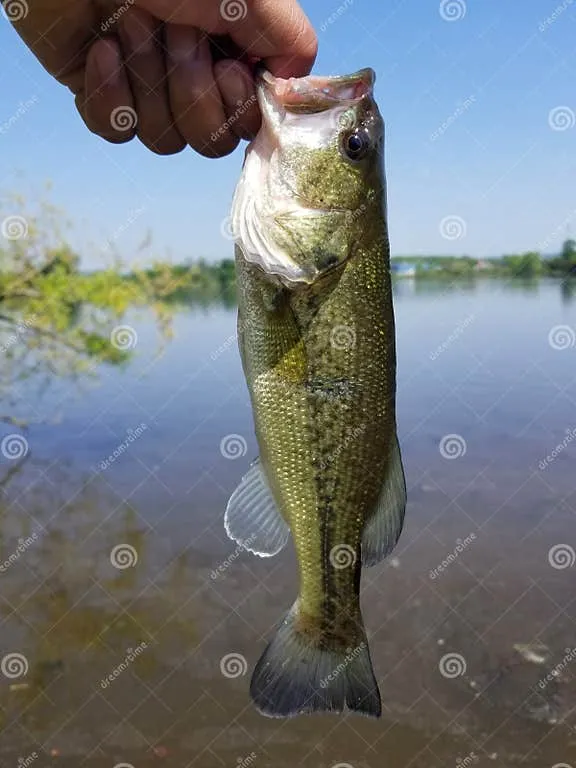
Field feature
Stop Trashing Your Fluorocarbon: The Real Reason You Keep Breaking Off on Hooksets
Losing a giant bass on the hookset is heartbreak. If your fluorocarbon keeps snapping, it's probably not the line's fault—it's yours.
We’ve all been there. You feel that unmistakable heavy “thump” on your jig. You drop the rod tip, reel up the slack, swing for the fences, and… POP.
Your rod flies back, your line is limp, and the biggest bass of the day just swam off with your 6-dollar tungsten jig in its face. Your first instinct is to scream and blame the fluorocarbon line. “This brand is garbage!”
Harsh truth from the field: The line is probably fine. Your line management and knot tying are garbage.
1. Fluorocarbon is NOT Monofilament
Fluorocarbon is incredibly sensitive, virtually invisible underwater, and highly abrasion-resistant. But it has one fatal weakness: It burns itself easily.
When you tie a knot with monofilament, you can get away with pulling it tight dry. If you do that with fluorocarbon, the friction of the line crossing over itself creates micro-heat that instantly degrades the integrity of the line. A 15-pound fluorocarbon line tied “dry” essentially becomes a 6-pound line right at the knot.
The Fix: Spit on it. Literally. Before you cinch down that Palomar or San Diego Jam knot, soak it with saliva. Pull it tight slowly and steadily. Never jerk it tight.
2. Check for Micro-Abrasions
Bass don’t live in swimming pools. They live in rocks, zebra mussels, laydowns, and concrete pylons. Every time you drag your bait through that nasty stuff, your line is taking a beating.
Get into the habit of running the last three feet of your line through your fingers after every few casts, especially after catching a fish or dragging through heavy cover. If it feels smooth, you’re good. If it feels rough, scuffed, or “hairy,” STOP FISHING IMMEDIATELY.
Cut off those damaged three feet and re-tie. Yes, it takes 45 seconds. Yes, it’s annoying when you’re in the zone. But it’s infinitely better than crying over a snapped line when a 7-pounder bites.
3. The Myth of the Palomar Knot
The Palomar knot is legendary, but with heavy fluorocarbon (17lb+), it can sometimes pinch itself and cut into the main line if not tied absolutely perfectly. If you’re flipping heavy cover and breaking Palomar knots, switch to the San Diego Jam Knot or a Snell Knot (if you’re using straight shank flipping hooks).
Bottom Line
Fluorocarbon isn’t cheap, and losing big fish isn’t fun. Treat your line with respect, wet your knots generously, and don’t be lazy about re-tying. The difference between a heartbreaking story and a hero shot is often just 30 seconds of preventative maintenance.
Related reading
Gear
Best Spinning Reel for Bass Fishing Beginners: The Unfiltered Truth
Forget the marketing hype and spec sheets. Here is exactly what matters when choosing a spinning reel for bass fishing, from a veteran bank angler’s perspective.
Gear
Buzzbait Modifications: Stop Fishing It Straight Out of the Box
A stock buzzbait catches fish, but a modified buzzbait catches monsters. Learn how to tune your topwater prop bait to produce the loudest, most obnoxious squeak possible.
Tactics
Chatterbait Mastery: Stop Reeling So Fast and Start Ripping Grass
A vibrating jig is arguably the most powerful search bait ever invented, but most anglers just cast and reel. Here's how to turn a Chatterbait into a giant-bass magnet.
评论系统预留位
这里已经为 Giscus 留好位置。等你创建 GitHub Discussions 后,把本组件中的仓库参数改掉,并把 enabled 改成 true 即可启用。