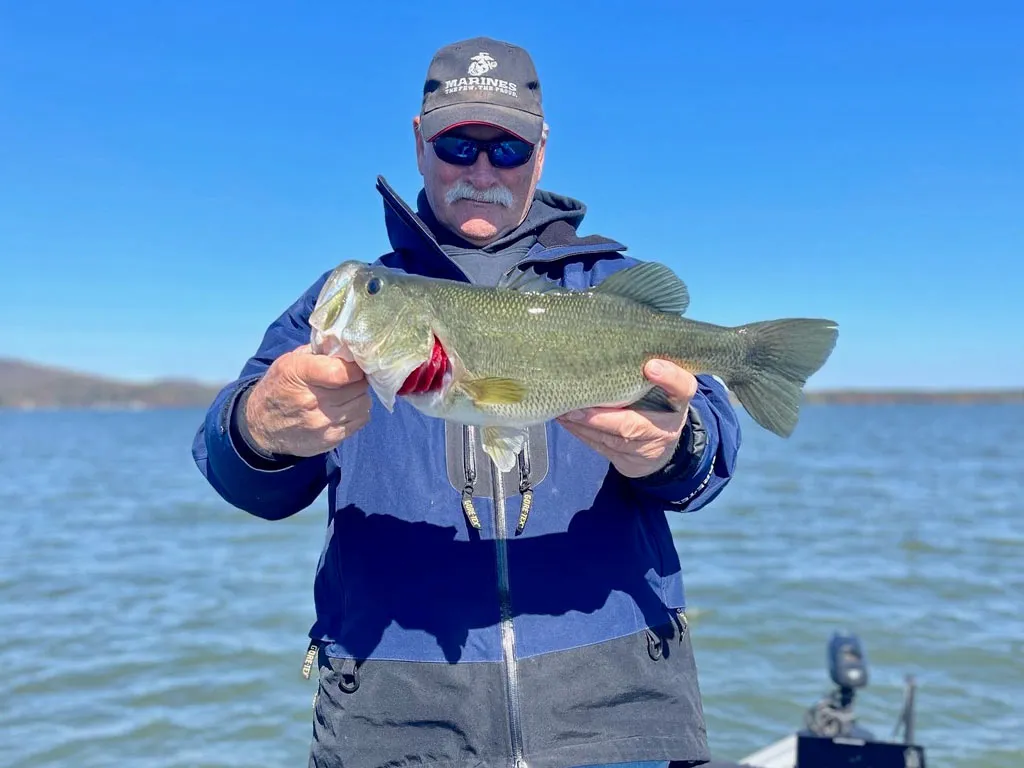
Field feature
Soft Plastic Toads vs. Hollow Body Frogs: Know the Difference Before You Cast
Throwing a hollow body frog in sparse grass is a missed opportunity. If you want to trigger violent reaction strikes over submerged weeds, you need the sputtering legs of a soft plastic toad.
When bass anglers see vegetation on the surface, their immediate instinct is to tie on a hollow body frog.
While the hollow body frog is the undisputed king of impenetrable “slop”—cheese mats, dense lily pad fields, and thick duckweed—it is incredibly inefficient in areas with sparse, patchy grass or submerged weeds that haven’t quite reached the surface.
If you are throwing a hollow body frog in open water or sparse grass, you are missing out on the explosive drawing power of its aggressive cousin: The Soft Plastic Toad (often called a buzz toad, like the Zoom Horny Toad or Stanley Ribbit).
1. Action: The Glide vs. The Sputter
The Hollow Body Frog is designed to be worked. It has a flat belly and relies on the angler to rhythmically twitch the rod tip to make it “walk the dog” or chug in place inside small holes in the grass. If you simply cast it out and reel it straight back in, it does absolutely nothing. It just glides lifelessly over the water.
The Soft Plastic Toad is designed to be burned. It is a solid piece of soft plastic molded with two aggressive paddle-style legs. When you cast it out and retrieve it with a steady, medium-to-fast cadence, those legs churn the surface, kicking and sputtering violently. It creates a constant, rhythmic “plopping” sound, mimicking a frantic frog or a fleeing rodent desperately trying to reach the bank.
2. Drawing Power in Open Water
In sparse vegetation or submerged milfoil, bass are often staging a few feet down in the water column.
A slowly gliding hollow body frog might not create enough surface disturbance to convince a deep-holding bass to swim up and investigate.
The soft plastic toad, however, acts exactly like a weedless buzzbait. The continuous, loud sputtering of the paddle legs creates a massive sonic footprint. This “drawing power” pulls giant, aggressive bass from deep cover and forces them to track the bait across open water before erupting on the surface.
3. The Sinking Secret (The “Kill” Technique)
Here is the most critical and often overlooked advantage of the soft plastic toad.
A hollow body frog is filled with air; it will float forever. If a giant bass blows up on your hollow frog and completely misses the bait, the lure just sits there on the surface.
But a soft plastic toad rigged on a heavy EWG (Extra Wide Gap) hook is naturally heavy and does not float. While you are reeling, it stays on the surface. But if a massive bass explodes on the toad and misses, you have a secondary weapon: You can instantly stop reeling and “kill” the bait.
When you kill the retrieve, the heavy soft plastic toad begins to slowly and seductively sink through the water column, looking exactly like a stunned or dying prey item. Nine times out of ten, that furious bass that just missed the topwater strike will turn around and aggressively inhale the sinking toad on the fall.
Bottom Line: Save the hollow body frog for the thickest, nastiest mats on the lake where pausing is necessary. When you have open water or sparse grass, rig up a soft plastic toad on an EWG hook, cast it out, and burn it back. The sputtering legs will drive the bass insane.
Related reading
Gear
Best Spinning Reel for Bass Fishing Beginners: The Unfiltered Truth
Forget the marketing hype and spec sheets. Here is exactly what matters when choosing a spinning reel for bass fishing, from a veteran bank angler’s perspective.
Gear
Buzzbait Modifications: Stop Fishing It Straight Out of the Box
A stock buzzbait catches fish, but a modified buzzbait catches monsters. Learn how to tune your topwater prop bait to produce the loudest, most obnoxious squeak possible.
Tactics
Deep Cranking: If You're Not Deflecting Off Cover, You're Not Fishing
Throwing a deep diving crankbait into open water and just reeling it back is taking your lure for a walk. The real violence happens the split second your crankbait smashes into a rock or stump.
评论系统预留位
这里已经为 Giscus 留好位置。等你创建 GitHub Discussions 后,把本组件中的仓库参数改掉,并把 enabled 改成 true 即可启用。