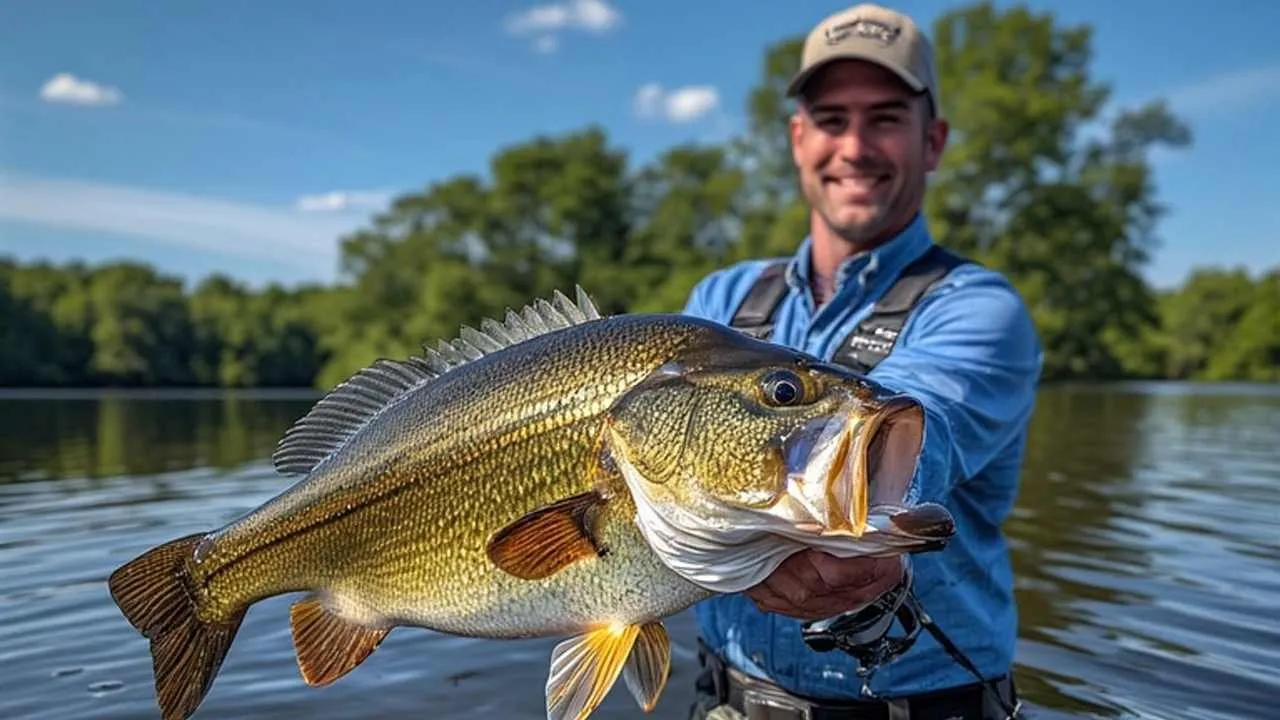
Field feature
The Post-Spawn Funk: Stop Fishing Fast and Start Picking Apart Cover
After the spawn, bass are exhausted, moody, and refuse to chase moving baits. Here is how to trigger strikes when the fish are in a funk.
The spawn is over. The giant females that were aggressively defending their beds just a week ago have seemingly vanished. You are throwing spinnerbaits, crankbaits, and chatterbaits, but the lake feels completely dead.
Welcome to the “Post-Spawn Funk.” It is arguably the toughest two weeks in bass fishing.
After laying eggs, female bass are physically exhausted and highly stressed. They slide off the shallow spawning flats and suspend in nearby deeper water, or they bury themselves into the thickest cover they can find to rest and recuperate. They will not chase a fast-moving bait.
Here is how you catch them when they don’t want to eat.
1. Target the First Deep Water Break
Exhausted females don’t swim miles away from their spawning grounds immediately. They look for the first significant depth change adjacent to the spawning flat.
If they spawned in a 2-foot-deep protected cove, look for the point at the mouth of that cove where it drops off into 10 or 15 feet of water. They will suspend just off that break line, soaking in the deeper, more stable water.
2. Slow Down to a Crawl (The Wacky Worm)
Put away the power fishing gear. You have to put a bait right in their face and leave it there until they eat it out of pure annoyance or convenience.
The ultimate post-spawn weapon is a weightless Wacky Rigged Senko. Cast it right to the edge of the drop-off or next to isolated cover (like a dock piling or a single brush pile). Let it sink on a completely slack line. The slow, tantalizing shimmy of a weightless worm falling perfectly vertical is the only thing a suspended, exhausted bass will exert energy for.
Do not twitch it. Do not drag it. Let it fall all the way to the bottom. If you don’t get a bite on the initial fall, lift it up once, let it fall again, and then reel it in and make another cast.
3. Topwater for the Guarding Males
While the big females are resting in deeper water, the smaller male bass stay behind in the shallows to guard the newly hatched fry (the “fry ball”). These males are highly aggressive and fiercely protective.
If you see a dark cloud of tiny fish moving near the surface, throw a small topwater popper or a walking bait directly over them. Keep the bait moving slowly. The guarding male will violently smash the topwater lure, thinking it is a bluegill trying to eat his offspring.
Bottom Line: The post-spawn is a game of patience. Accept that the fast-paced reaction bite is dead for a couple of weeks. Slow your presentation down to a crawl, target the drop-offs, and you can still put big fish in the boat.
Related reading
Gear
Buzzbait Modifications: Stop Fishing It Straight Out of the Box
A stock buzzbait catches fish, but a modified buzzbait catches monsters. Learn how to tune your topwater prop bait to produce the loudest, most obnoxious squeak possible.
Tactics
Chatterbait Mastery: Stop Reeling So Fast and Start Ripping Grass
A vibrating jig is arguably the most powerful search bait ever invented, but most anglers just cast and reel. Here's how to turn a Chatterbait into a giant-bass magnet.
Tactics
Decoding the Thermocline: Why You Can't Catch Bass in Deep Water During Summer
Dragging a jig in 40 feet of water in August? You are fishing in a dead zone. Here is why understanding the thermocline is the most important lesson of summer bass fishing.
评论系统预留位
这里已经为 Giscus 留好位置。等你创建 GitHub Discussions 后,把本组件中的仓库参数改掉,并把 enabled 改成 true 即可启用。