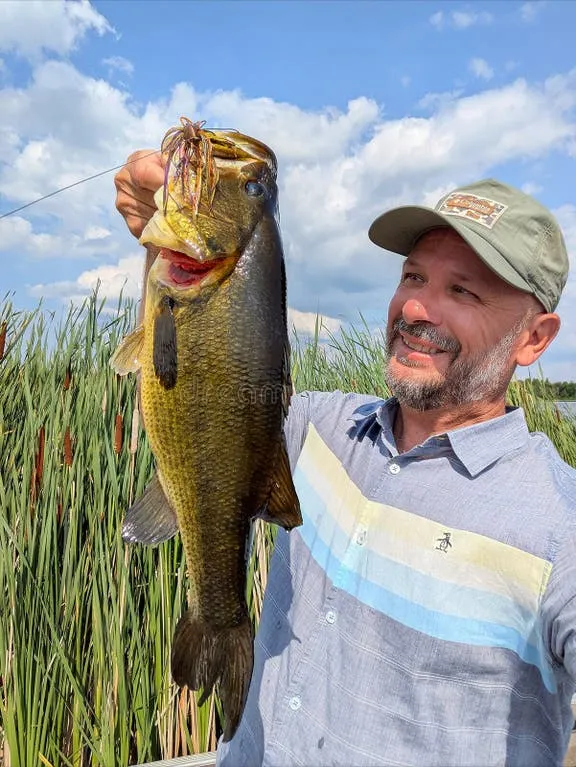
Field feature
The Jerkbait Cadence: Why You Are Fishing It Too Fast in the Winter
A suspending jerkbait is the deadliest lure in existence when the water temperature plummets. But if you aren't pausing long enough, you are completely wasting your time.
When the water temperature drops below 50 degrees, the vast majority of anglers pack up their gear and wait for spring. The bass’s metabolism slows to a crawl, and they simply refuse to expend energy chasing a fast-moving meal.
But for tournament pros, winter means it is time to tie on a suspending jerkbait. It is the ultimate cold-water weapon.
However, catching fish on a jerkbait in the dead of winter requires immense mental discipline. The most common mistake anglers make is working the bait like it’s the middle of July. If you are constantly twitching your rod tip, you won’t catch a thing.
1. The Magic of the Suspension
A perfectly tuned suspending jerkbait does something no other lure can do: when you stop reeling, it doesn’t float to the surface, and it doesn’t sink to the bottom. It simply hovers perfectly still in the middle of the water column, suspended like a stunned or dying baitfish.
To a lethargic, freezing bass, this is a dream scenario. It is a massive, high-protein meal that requires zero physical exertion to catch. It is literally hanging right in front of their face, waiting to be eaten.
2. The Golden Rule of the Pause
In the summer, you can work a jerkbait rapidly: twitch, twitch, pause for one second, twitch.
In the winter, that cadence will scare the fish away. Your cadence must become: twitch, twitch, wait until you can’t stand it anymore, then wait five more seconds.
The Rule of Thumb for Pausing:
- Water Temp 50°F to 55°F: Pause for 3 to 5 seconds.
- Water Temp 45°F to 50°F: Pause for 8 to 12 seconds.
- Water Temp Below 45°F: Pause for 15, 20, or even 30 seconds between twitches.
95% of your bites will occur while the bait is completely motionless during the pause. The bass will swim up to the bait, stare at it for an agonizingly long time, and then subtly flare its gills, sucking the suspended bait into its mouth.
3. Detecting the “Ghost Bite”
Because the bite happens while the bait is sitting perfectly still on a slack line, you will rarely feel a violent “thump.”
Instead, you must become a line watcher. The bite will manifest in one of three ways:
- Your slack line on the surface of the water will suddenly “jump” or “tick.”
- Your line will slowly and inexplicably start swimming to the left or right.
- When you go to make your next twitch, the rod will simply feel heavy, like you hooked a wet towel.
When you sense any of these things, do not rear back and cross their eyes. A violent hookset on light fluorocarbon line will snap it instantly. Simply reel up your slack quickly and execute a firm, sweeping hookset by leaning back and letting the sharp treble hooks penetrate.
Bottom Line: Fishing a jerkbait in the winter is an exercise in patience. Force yourself to stop. Count in your head. When you think you’ve waited long enough, wait a little longer. That is when the giant winter bass strike.
Related reading
Gear
Buzzbait Modifications: Stop Fishing It Straight Out of the Box
A stock buzzbait catches fish, but a modified buzzbait catches monsters. Learn how to tune your topwater prop bait to produce the loudest, most obnoxious squeak possible.
Tactics
Chatterbait Mastery: Stop Reeling So Fast and Start Ripping Grass
A vibrating jig is arguably the most powerful search bait ever invented, but most anglers just cast and reel. Here's how to turn a Chatterbait into a giant-bass magnet.
Tactics
Decoding the Thermocline: Why You Can't Catch Bass in Deep Water During Summer
Dragging a jig in 40 feet of water in August? You are fishing in a dead zone. Here is why understanding the thermocline is the most important lesson of summer bass fishing.
评论系统预留位
这里已经为 Giscus 留好位置。等你创建 GitHub Discussions 后,把本组件中的仓库参数改掉,并把 enabled 改成 true 即可启用。