Field feature
Punching 101: The Secret to Finding Giants in the Thickest Grass
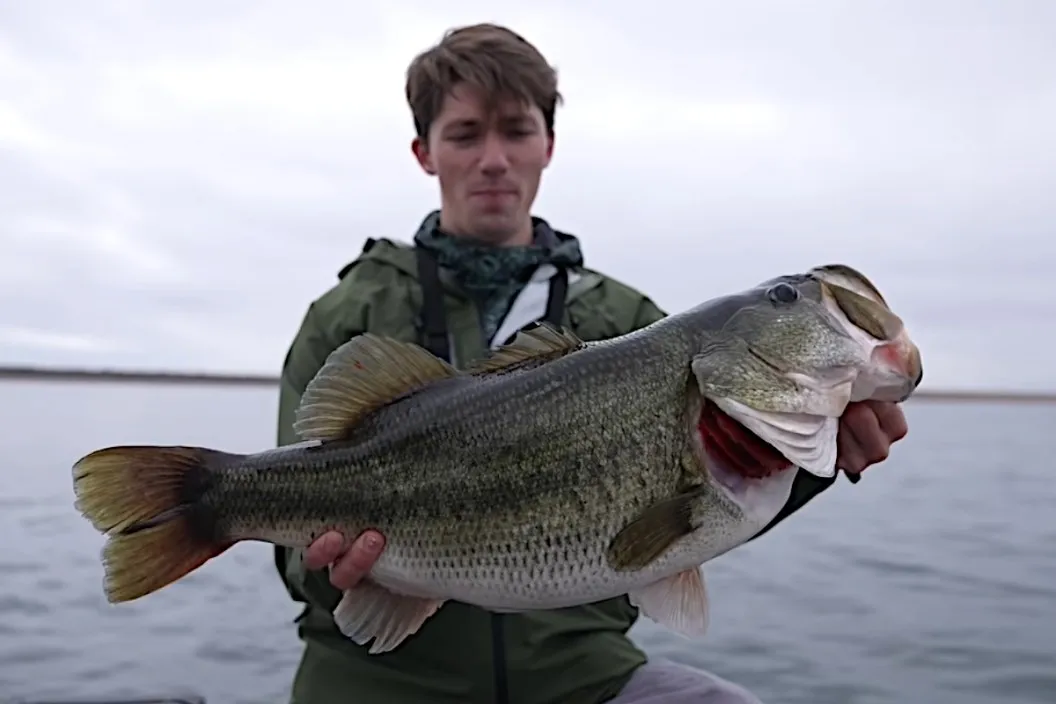
If your boat is surrounded by a massive mat of floating vegetation, don't drive away. The biggest bass in the lake are living underneath it, and you need to break through the roof.
It is the dead of summer. The sun is baking the lake, the water temperature is over 85 degrees, and the bass have completely vanished from the open water.
You idle into a shallow backwater cove and find it completely choked with a massive, impenetrable mat of water hyacinth or matted hydrilla. It looks like a solid green golf course. You can’t cast a crankbait, you can’t fish a spinnerbait, and even a heavy jig just lays on top of the slop.
Most anglers turn the trolling motor on high and leave. Hardcore tournament anglers stop the boat, pull out the heavy artillery, and start “Punching.”
1. Why They Live Under the Roof
In extreme summer heat, that thick, ugly mat of vegetation is an absolute paradise for a bass.
While the open water is blistering hot and depleted of oxygen, the water underneath that massive canopy of grass is shaded, cool, and highly oxygenated. It is a massive underwater cavern, filled with crawfish, bluegill, and giant bass hiding from the sun and predators.
They are down there, and they are hungry. The only problem is the roof. You have to break through it.
2. The Tools of Destruction
You cannot finesse your way through a thick grass mat. You need specialized, heavy-duty gear.
- The Rod and Line: You need a 7’6” to 8’0” Heavy or Extra-Heavy flipping stick, paired with a minimum of 65-pound braided line. Do not use fluorocarbon; you need the braided line to act like a saw to cut through the massive stems of the grass when you hook a fish.
- The Weight: This is the most important component. You need a massive, streamlined bullet weight—usually 1 ounce to 2 ounces of pure Tungsten. Tungsten is smaller and denser than lead, allowing it to slip through tiny cracks in the grass.
- The Hook and Bait: A heavy-gauge, straight-shank flipping hook tied with a Snell knot. Keep the soft plastic bait compact. Use a “beaver-style” bait or a creature bait with short appendages. Long, curly tails will wrap around the grass and prevent the bait from breaking through.
- The Peg: You must peg your weight tight against the nose of the bait using a rubber bobber stop. If you don’t, the heavy weight will fall through the grass, but your bait will stay stuck on top.
3. The Penetration and The Bite
Punching is close-quarters combat. You aren’t making long casts; you are making short, underhand pitches to specific spots in the mat.
Pitch the heavy rig high into the air so it crashes down vertically. The heavy tungsten weight hits the mat and “punches” through the canopy, dragging the bait into the dark cavern below.
Most bites happen on the initial fall. When the bait breaks through the roof and plunges into the darkness, it looks like a bluegill or a crawfish that just fell from above. The bass will inhale it instantly.
If it hits the bottom without a bite, lightly “yo-yo” the bait up to the underside of the grass canopy a couple of times, let it drop, and then reel up and pitch to the next spot.
Bottom Line: Don’t let the thick slop intimidate you. Tie on the heaviest weight you own, lock down your drag, and break through the ceiling. The biggest bass in the lake are waiting in the dark.
Related reading
Gear
Buzzbait Modifications: Stop Fishing It Straight Out of the Box
A stock buzzbait catches fish, but a modified buzzbait catches monsters. Learn how to tune your topwater prop bait to produce the loudest, most obnoxious squeak possible.
Tactics
Chatterbait Mastery: Stop Reeling So Fast and Start Ripping Grass
A vibrating jig is arguably the most powerful search bait ever invented, but most anglers just cast and reel. Here's how to turn a Chatterbait into a giant-bass magnet.
Tactics
Decoding the Thermocline: Why You Can't Catch Bass in Deep Water During Summer
Dragging a jig in 40 feet of water in August? You are fishing in a dead zone. Here is why understanding the thermocline is the most important lesson of summer bass fishing.
评论系统预留位
这里已经为 Giscus 留好位置。等你创建 GitHub Discussions 后,把本组件中的仓库参数改掉,并把 enabled 改成 true 即可启用。