Field feature
Forward-Facing Sonar is Ruining Your Instincts: How to Catch Bass Without a Screen
Technology is great, but staring at a glowing screen all day is making anglers lazy. Here is how to read the water and catch bass the old-fashioned way.
Let’s get one thing straight: Forward-Facing Sonar (FFS) like Garmin LiveScope is the most powerful tool ever invented for bass fishing. It is undeniably effective.
But there is a dark side to this technology. A whole generation of anglers is becoming utterly dependent on a glowing screen. They drive around aimlessly until they see a “blob” on the monitor, and if the screen is blank, they don’t even make a cast. They have completely lost the ability to read the water.
If your battery dies tomorrow, could you still catch a fish? Here is how to get your instincts back.
1. Look for the Irregularities (The “Something Different”)
Bass are ambush predators. They don’t just wander aimlessly in open water; they lock onto structure and cover. But a mile-long stretch of uniform riprap or a massive, uninterrupted weedbed can be overwhelming.
The key is finding the irregularity.
- Where does the weedline suddenly jut out into deeper water (a point)?
- Where does a patch of gravel interrupt a mud bank?
- Where does a single laydown tree intersect with a rocky drop-off?
Bass will always stack up on the “something different.” Put your trolling motor on a medium speed, keep your eyes on the bank (not the screen), and cast exclusively to the anomalies.
2. Follow the Wind and the Bait
Your electronics can show you baitfish, but so can your eyes and the environment.
Wind is the ultimate driver of the food chain. A steady wind blowing into a bank or a point for multiple days will push microscopic plankton into that area. The shad and bluegill will follow the plankton, and the giant bass will follow the baitfish.
Look for herons standing on the bank, grebes diving, or the subtle “flicks” of baitfish breaking the surface near wind-blown cover. If you find the bait, you have found the bass. No transducer required.
3. Fish the Conditions, Not the Screen
Before FFS, anglers made decisions based on the sky and the water temperature.
Is it high, bright, and sunny? The bass will tuck incredibly tight into the darkest shade they can find—under docks, deep inside laydowns, or buried in matted grass. It’s time to pick up a flipping jig and get your hands dirty.
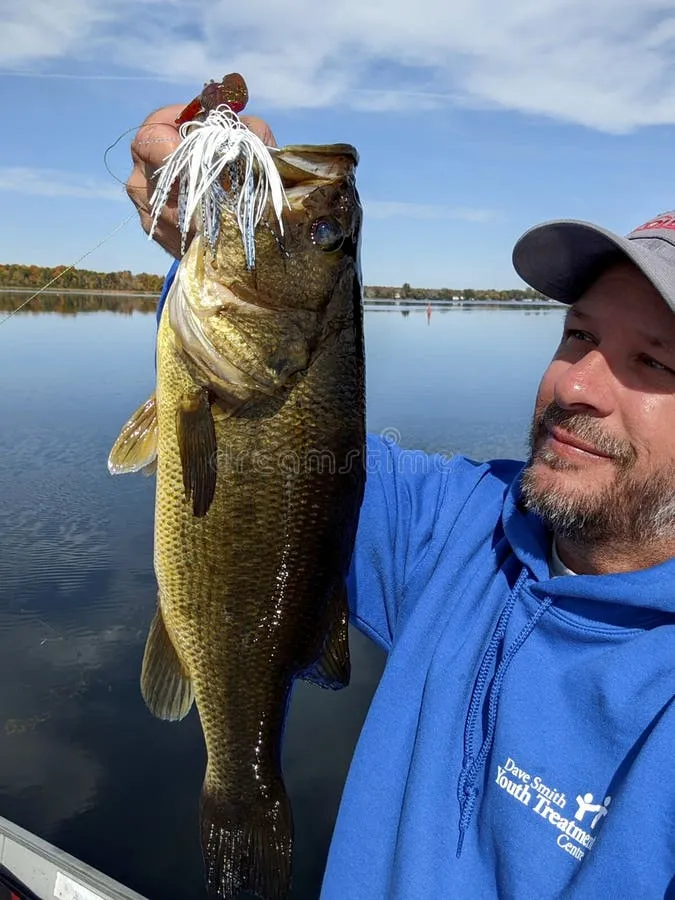
Is it overcast and windy? The bass will roam and actively feed on flats and points. Tie on a spinnerbait or a chatterbait and cover water aggressively.
Bottom Line: Technology is a tool, not a crutch. Take one day a month to turn off the screens at the bow of your boat. Force yourself to look at the water, read the wind, and trust your gut. Your instincts are sharper than you think, and the bass haven’t changed—only our reliance on screens has.
Related reading
Gear
Buzzbait Modifications: Stop Fishing It Straight Out of the Box
A stock buzzbait catches fish, but a modified buzzbait catches monsters. Learn how to tune your topwater prop bait to produce the loudest, most obnoxious squeak possible.
Tactics
Chatterbait Mastery: Stop Reeling So Fast and Start Ripping Grass
A vibrating jig is arguably the most powerful search bait ever invented, but most anglers just cast and reel. Here's how to turn a Chatterbait into a giant-bass magnet.
Tactics
Decoding the Thermocline: Why You Can't Catch Bass in Deep Water During Summer
Dragging a jig in 40 feet of water in August? You are fishing in a dead zone. Here is why understanding the thermocline is the most important lesson of summer bass fishing.
评论系统预留位
这里已经为 Giscus 留好位置。等你创建 GitHub Discussions 后,把本组件中的仓库参数改掉,并把 enabled 改成 true 即可启用。