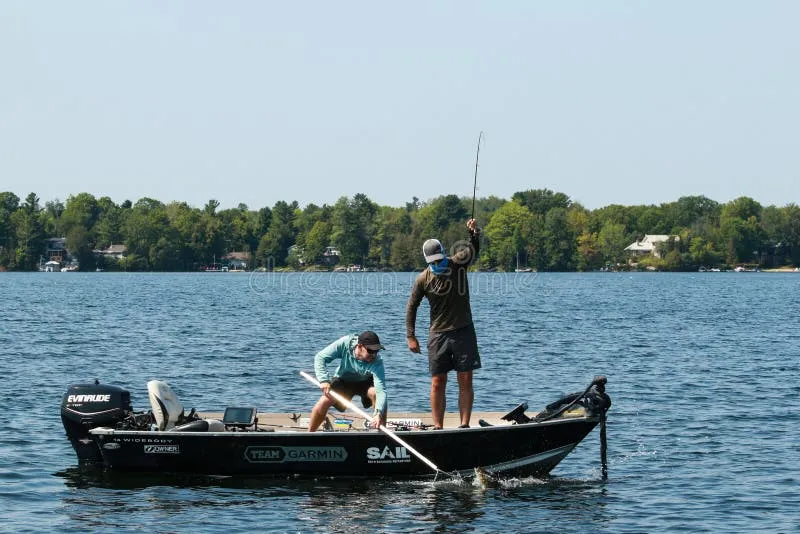
Field feature
How to Fish a Jerkbait: Why the Pause is Everything
Stop reeling your jerkbait like a crankbait. Learn the real cadence, slack line control, and why the pause triggers massive bass strikes in cold water.
If you walk down to a local lake when the water temperature drops below 55°F, you will inevitably see someone aggressively ripping a jerkbait through the water, never stopping, just reeling and twitching until their arm falls off.
Then they’ll walk away complaining that the fish have lockjaw.
The truth is: While the lure is called a “Jerkbait,” the actual strike-triggering mechanism is the Pause.
1. Why Suspending Jerkbaits Dominate Cold Water
When water temperatures plummet, a bass’s metabolism slows to a crawl. They will not chase a fast-moving crankbait or a burning spinnerbait. They want maximum calories for minimum effort.
When you twitch a perfectly tuned suspending jerkbait, it darts erratically side-to-side, mimicking a dying shad. But when you stop, it completely freezes, suspending perfectly motionless in the water column. To a cold, sluggish bass, a baitfish that has exhausted itself and is just sitting there helpless is a free lunch they cannot refuse.
2. The Cadence: Mastering the 1-2-Pause
You need to be erratic. Bass are predators, and predictability does not look natural.
The Standard Veteran Cadence: Jerk once… pause for 2 seconds. Jerk twice (pop-pop)… pause for 4 seconds. Jerk once… pause for 3 seconds.
The Critical Detail: You MUST pause on slack line. If you keep your line tight during the pause, the jerkbait will unnaturally glide forward toward you. This immediately tells the trailing bass that it’s a fake. The millisecond after you jerk the rod, you must return the rod tip to its starting position to throw slack back into the line, allowing the bait to stop dead in its tracks.
3. Colder Water = Longer Pauses
Most beginners lack the patience to let a bait sit still for more than three seconds. But in the real world, if the water is hovering around 45°F, you might need to pause for 10, 15, or even 20 seconds.
I once fished a Megabass Vision 110 in early March. I twitched it twice and then stopped to take a sip of coffee. By the time I put the thermos down and grabbed the reel handle, the rod was nearly ripped out of my hand. The bait had been sitting motionless for over 12 seconds before a 5-pounder inhaled it.
The Bottom Line
The next time you tie on a jerkbait, repeat this to yourself: The jerk gets their attention; the pause gets the bite. Force yourself to slow down, manage your slack line, and wait for the “tick.”
Related reading
Tactics
Chatterbait Mastery: Stop Reeling So Fast and Start Ripping Grass
A vibrating jig is arguably the most powerful search bait ever invented, but most anglers just cast and reel. Here's how to turn a Chatterbait into a giant-bass magnet.
Tips
Braid vs. Fluorocarbon: Stop Losing Bass to the Wrong Line
A gritty, real-world breakdown of when to use Braid, Fluorocarbon, and Monofilament for bass fishing. Stop guessing and start landing more fish.
Tactics
Jerkbait Cadence: Why the Robotic 'Twitch-Twitch-Pause' is Costing You Fish
If you are fishing a jerkbait with the exact same rhythm all day, you are missing the point of the lure. The magic isn't in the twitch; it's in the unpredictable pause.
评论系统预留位
这里已经为 Giscus 留好位置。等你创建 GitHub Discussions 后,把本组件中的仓库参数改掉,并把 enabled 改成 true 即可启用。